My brother-in-law Marcus collapsed at his daughter’s soccer game three months ago. Paramedics suspected a heart attack, but it was his blood pressure—180 over 110, stroke-level. He’s just 38.
Doctors did extensive cardiac testing. Heart: fine. No blockages. Clean arteries. Any family history of hypertension? No. Diet? Marcus meal-preps religiously. Exercise? He runs marathons.
An older ER doctor approached differently: “How’s work?” Marcus manages a short-staffed team of 40. “How’s sleep?” Four hours nightly. “Your mom okay?” She has worsening dementia; Marcus visits daily.
The doctor nodded slowly. “When’s the last time you felt genuinely relaxed?”
Marcus couldn’t answer. Legitimately couldn’t remember.
Today’s October 10th—World Mental Health Day 2025. Official theme: mental health during humanitarian emergencies. Important stuff. But honestly? The “developed world” is experiencing its own slow-motion mental health emergency that nobody wants to call by its name.
WHO just reported over one billion people worldwide living with mental health conditions. One billion. That’s not an edge case. That’s a global crisis hiding in plain sight.
And here’s the part that genuinely terrifies me now that I understand it: those mental health struggles aren’t just affecting how people feel emotionally. They’re physically rewriting our biology in ways that determine whether we’ll develop heart disease, diabetes, cancer, autoimmune disorders five or ten years down the road.
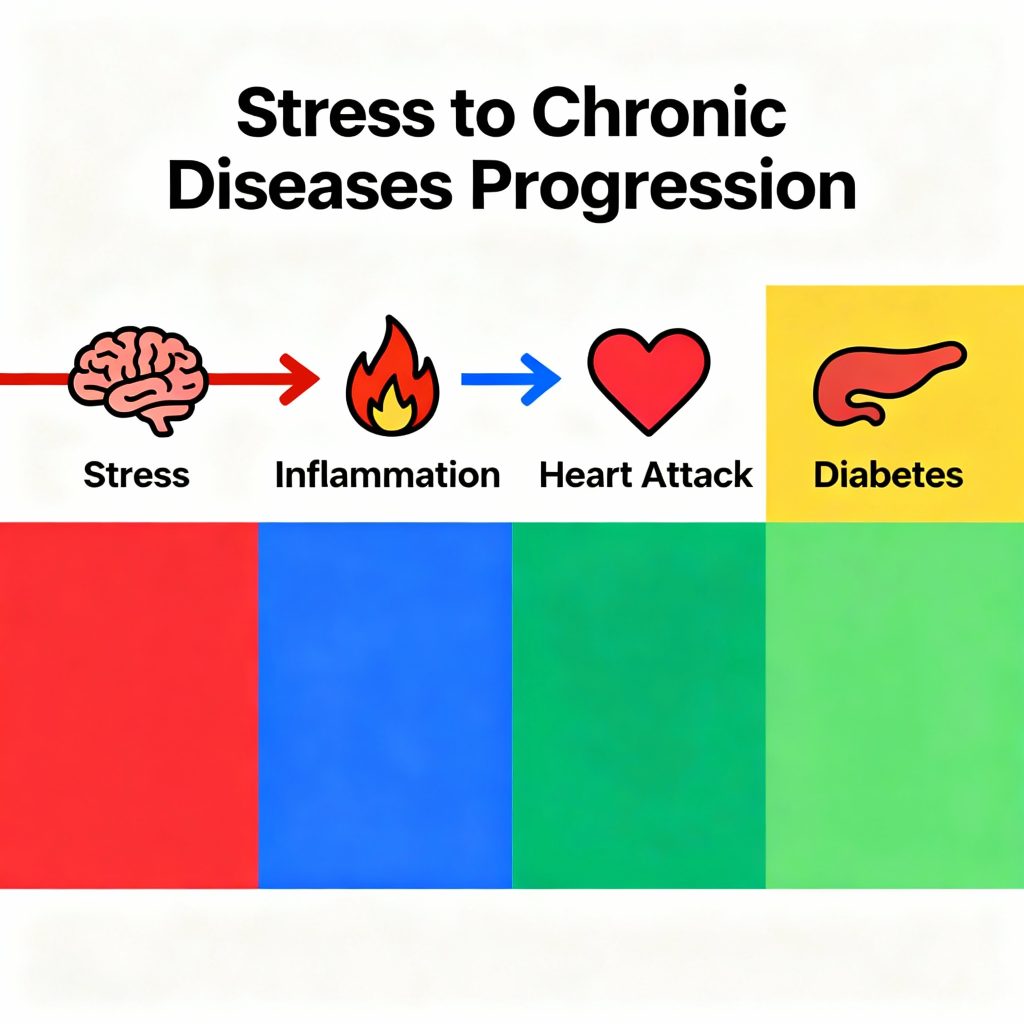
Marcus’s blood pressure crisis? That was his body screaming that chronic stress had broken something fundamental. His inflammation markers—stuff like C-reactive protein and IL-6—were through the roof. His cortisol patterns had gone haywire. All measurable. All biological. All directly traceable to months of unmanaged psychological stress.
This isn’t abstract. It’s not “wellness culture” nonsense. It’s biochemistry you can measure in bloodwork.
The Mind-Body Connection Nobody’s Really Explaining Properly
What Actually Happens When Stress Becomes Chronic (The Lion Analogy That Finally Made Sense)
I was talking to my primary care doctor last month about all this—trying to understand what actually happens biologically. She used this analogy that clicked everything into place for me.
“Imagine you’re being chased by a lion,” she said. “Your body floods with cortisol and adrenaline. Heart rate explodes. Blood gets shunted to your legs so you can run. Your digestive system shuts down because who cares about digesting lunch when you’re about to become lunch. Glucose gets dumped into your bloodstream for emergency energy. That’s the stress response. It’s supposed to save your life”.
Makes perfect sense. Acute stress—car accident, bear encounter, public speaking—triggers this emergency response. Super helpful short-term. Your adrenal glands pump out cortisol. Your hypothalamic-pituitary-adrenal axis (HPA axis, the control center for stress responses) activates. You handle the threat. Then everything returns to baseline.
“But here’s where modern life screws us,” she continued. “Your HPA axis can’t tell the difference between being chased by a lion and chronic worry about your job security. Or caregiving stress. Or financial anxiety. It reads both as threats”.
So the stress response keeps activating. Day after day. Month after month.
The Inflammation Highway (Or: When Your Immune System Turns Against You)
This next part gets a little technical, but stay with me because understanding this changed how I think about health completely.
When stress becomes chronic, something called “glucocorticoid receptor resistance” develops. Essentially, your cells stop responding properly to cortisol’s normal anti-inflammatory signals. It’s like your body’s fire alarms have been blaring for so long that everyone just ignores them now.
Research out of Carnegie Mellon—led by Dr. Sheldon Cohen, a huge name in stress research—demonstrated this mechanism prospectively. They showed that chronic psychological stress causes this receptor resistance, which then leads to uncontrolled inflammatory responses.
Without cortisol properly regulating inflammation, your immune system starts overproducing pro-inflammatory molecules called cytokines. Specific ones: interleukin-6 (IL-6), tumor necrosis factor-alpha (TNF-α), C-reactive protein (CRP), fibrinogen.
One study found people experiencing chronic caregiving stress had IL-6 levels four times higher than non-caregivers. Four times!
Another study measured cortisol in healthy young adults during stressful periods versus relaxed periods. Average cortisol increased approximately nine times during stress. Nine times!
These inflammatory chemicals don’t just float around harmlessly. They actively corrode blood vessel walls—setting up heart disease. They interfere with how cells respond to insulin—paving the road to diabetes. They attack joint tissues—triggering autoimmune flares. They even suppress your immune system’s ability to detect abnormal cancer cells.
A 2023 paper in BMC Neuroscience laid it out brutally: chronic stress-driven cortisol dysfunction is closely linked to neurodegenerative disease progression—Alzheimer’s, Parkinson’s—driven by excessive cortisol and uncontrolled inflammation.
Diseases That Don’t Just “Correlate” With Mental Health—They’re Biologically Connected
Heart Disease, Diabetes, and the Depression Link (The Numbers Are Shocking)
Let me show you something concrete. These aren’t vague associations—they’re measurable risk increases:
| Major depressive disorder | Cardiovascular disease (heart attack, heart failure) | 50-200% depending on severity | Chronic inflammation damages arterial walls; elevated cortisol keeps blood pressure high; stress hormones increase clotting risk |
| Generalized anxiety disorder or chronic stress | Type 2 diabetes | Approximately 60% | Cortisol continuously elevates blood glucose; inflammation reduces insulin sensitivity in cells; stress eating patterns worsen |
| Post-traumatic stress disorder | Stroke | Substantially elevated (varies by study) | Chronic inflammation, sustained hypertension, poor treatment adherence |
| Untreated depression + chronic illness | Autoimmune disease flares (rheumatoid arthritis, lupus, etc.) | Dramatic symptom worsening | Stress-induced cytokines directly attack joint and organ tissues |
| Anxiety disorders | Asthma exacerbations | Bidirectional—each worsens the other | Stress triggers inflammatory responses in airways; breathing difficulty creates anxiety |
| Clinical depression | Chronic kidney disease progression | Accelerated functional decline | Inflammation damages kidneys; depression reduces self-care and medication adherence |
A 2025 study in Frontiers in Public Health confirmed these aren’t simple correlations—they’re dose-response relationships. Translation: the more severe your depression or anxiety, the higher your physical disease risk. It’s a gradient. Measurable. Predictable.
Marcus’s hypertension crisis makes complete sense through this lens. Months of extreme stress. Cortisol dysregulation. Inflammation running wild. His cardiovascular system couldn’t take it anymore.
Meanwhile his conscious mind kept insisting “I’m fine! I’m handling it!” while his bloodwork screamed otherwise.
The Bidirectional Nightmare (Why It Gets Exponentially Worse)
Here’s the part that genuinely keeps me awake some nights. The vicious cycle.
Mental illness increases chronic disease risk. We’ve established that. But having a chronic disease dramatically increases your mental illness risk.
A young woman named Laura wrote about her experience online—she developed chronic illness out of nowhere at 21. “It completely changed my life,” she said. “For the first time, I had no idea how I would cope”.
Within months, anxiety and OCD she’d previously managed came roaring back “in full force”. Plus entirely new depression she’d never experienced. The chronic illness diagnosis itself triggered a mental health crisis.
Research across thousands of chronic illness patients identified consistent patterns :
Profound loss of identity—feeling trapped in a different life because physical limitations prevent normal activities.
- Severe social isolation—friends drift away, family doesn’t understand, too exhausted to maintain relationships/
- Constant anxiety about the future—uncertainty, fear of complications, financial stress from medical bills.
- Overwhelming guilt—feeling like a burden on caregivers and loved ones.
That emotional devastation then sabotages disease management. People skip medications. Stop exercising. Eat poorly because cooking feels impossible when you’re depressed. Blood sugar control deteriorates. Blood pressure climbs. Inflammation spikes further.Which worsens mental health. Which worsens disease control. Which worsens mental health.
Downward spiral.
A 2025 study found comorbid chronic disease plus depression created multiplicative effects on cognitive impairment—not additive, multiplicative. The combined impact far exceeded what you’d expect from simply adding the two together.
Breaking this cycle requires treating both simultaneously, not pretending they’re separate issues.
October 2025: Why This Mental Health Awareness Push Actually Matters
The Access Crisis in First-Tier Countries (Yes, Even Here)
World Mental Health Day 2025. The theme focuses on humanitarian emergencies. Conflict zones. Natural disasters. Refugee crises. One in five people in humanitarian emergencies develops mental health conditions. Absolutely critical issue deserving attention.
But can we acknowledge something uncomfortable? First-tier countries are experiencing their own access crisis that gets less airtime.
Last year when I needed therapy, I called 11 providers. ELEVEN. Average wait time? Three and a half months. One practice laughed—actually laughed—when I asked about availability. “We stopped accepting new patients six months ago,” the receptionist said. “Try again in February.” It was September.
Friend in Manchester? NHS mental health services waitlist hit seven months. Cousin in Toronto? Four months minimum. These aren’t outlier horror stories—they’re typical experiences across “developed” healthcare systems.
WHO data shows over 70% of people globally who need mental health care can’t access adequate treatment. Seventy percent! Even in wealthy nations with universal healthcare or robust insurance systems, barriers remain massive—waitlists, costs, geographic limitations, stigma.
Meanwhile chronic disease rates keep climbing. Healthcare systems are drowning in managing diseases that could have been prevented if we’d addressed underlying mental health drivers earlier.
Digital Solutions Emerging (Finally Getting Good)
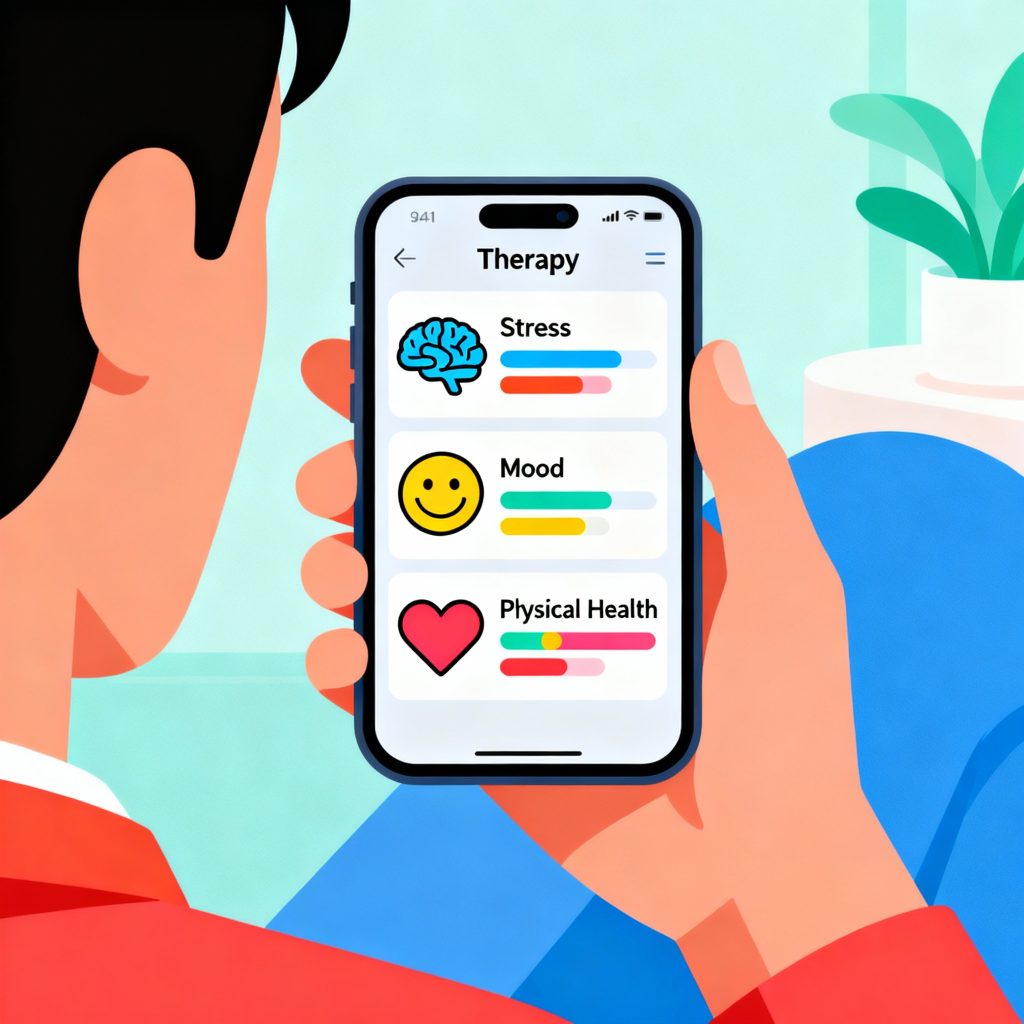
This is where my cynicism fades a bit. The therapy app market in 2025 looks genuinely different than what existed even three years ago.
I remember early mental health apps—mostly meditation timers with pastel aesthetics and generic affirmations. Felt more like Instagram for your feelings than actual treatment. I dismissed them completely. Major oversight on my part.
The market reached $6.49 billion in 2024, projected to hit $15.69 billion by 2033—10.4% annual growth. That’s not hype. That’s reflecting actual clinical validation and proven outcomes.
A comprehensive systematic review published in 2025 analyzed 38 randomized controlled trials evaluating 35 different mental health apps. Results? 32 out of 35 apps showed statistically significant, measurable improvements in depression, anxiety, and suicidal behavior.
Thirty-two out of thirty-five. That’s over 90% effectiveness rate.Perhaps most impressively: a landmark trial in NEJM AI this year demonstrated that properly designed AI therapy produced equivalent outcomes to human-delivered care for certain conditions. Not “almost as good.” Actually equivalent.
Meta-analyses showed 63% reduction in loneliness, 40% improvement in depression symptoms, significant stress reduction across diverse populations.
Sixty-three percent reduction in loneliness. For people who can’t access traditional therapy. That’s… honestly remarkable.
Therapy Apps That Actually Work (My Two-Month Testing Experience)
What Makes 2025 Apps Different (It’s the Therapeutic Approaches)
I spent two months testing mental health apps systematically. Downloaded seven. Used them daily. Tracked my mood. Did the exercises. Logged patterns. Some were absolute garbage—glorified mood journals with motivational quotes. But several genuinely impressed me.
The most effective apps share specific characteristics research has identified: they use evidence-based therapeutic approaches—primarily Cognitive Behavioral Therapy (CBT), Acceptance and Commitment Therapy (ACT), or Dialectical Behavior Therapy (DBT)—not just feel-good platitudes.
Two techniques showed particular effectiveness: context engagement (personalized activities based on your specific situation and patterns) and cognitive change (structured exercises that systematically rewire negative thought loops).These aren’t surface-level “think positive!” affirmations. They’re the same therapeutic techniques licensed therapists use in sessions, adapted for daily digital delivery.
My Rankings After Real Testing
Apps I’d Actually Recommend:
| Noah AI | 24/7 AI emotional coaching; CBT-based; voice and text | Pattern recognition was eerily accurate; remembered previous conversations; available during 2 AM anxiety spirals; created by clinical psychologists | Occasional generic responses; can’t prescribe or diagnose; limited with complex trauma | Daily emotional support; anxiety management; people without insurance or long waitlists |
| BetterHelp | Licensed therapist matching; text/audio/video; insurance accepted | Finally takes insurance—game changer; massive therapist network means faster matching; flexibility in communication style | Monthly costs add up even with insurance; occasional therapist mismatches require switching | People wanting real human therapists; those with insurance coverage |
| Talkspace | Professional therapy; individual, couples, teen services; psychiatry available | Strong clinical evidence specifically for depression; 30-minute live sessions feel substantial; psychiatry option for meds | Interface clunkier than competitors; video quality inconsistent; slightly more expensive | Depression treatment specifically; people preferring structured appointment times |
| Youper | AI wellness support; CBT/ACT/DBT techniques; daily mood tracking | Excellent pattern identification in mood tracking; variety of therapeutic modalities; self-paced | Free version severely limited; some exercises became repetitive after weeks | Self-directed structured work; people exploring different therapy approaches |
| Bearable | Comprehensive symptom and mood tracking; factor correlation | Far and away the best for identifying connections between stress, diet, sleep, physical symptoms; invaluable data for doctor appointments | Not therapeutic itself—purely tracking tool; requires consistent daily logging effort | Chronic illness + mental health overlap; data-driven people; medical documentation |
Noah AI legitimately surprised me. I’m naturally skeptical of AI in healthcare—worried about replacing human connection. But the conversational quality and adaptive responses were impressive. When I logged in stressed about a work presentation at 10:30 PM, it didn’t offer generic breathing exercises. It referenced our previous conversation about public speaking anxiety and suggested the specific CBT reframing technique that had worked before.
That level of personalization matters.
Why Accessibility Matters More Than Tech
What makes these apps genuinely revolutionary isn’t sophisticated AI or slick interfaces. It’s barrier elimination.
No commute. No scheduling acrobatics around work. No taking half-days for appointments. No waiting rooms. No $175-per-session costs for the uninsured.For chronic stress and anxiety—the exact conditions driving inflammation and disease risk—consistent daily support often beats weekly therapy sessions. Apps provide that continuous engagement traditional models can’t match.
Eating Your Way to Better Mental Health (Nutritional Psychiatry Became Real Science)
The Gut-Brain Axis Explained Simply (The 90% Stat That Blew My Mind)
Remember Marcus, my brother-in-law with the blood pressure crisis? Clean eater. Meal-prepper. Still ended up in the ER because stress broke his biology.
But there’s another piece to this I didn’t fully understand until diving into nutritional psychiatry research. Your gut produces approximately 90% of your body’s serotonin—not your brain. Let that sink in. The neurotransmitter regulating mood, sleep, appetite gets manufactured primarily in your digestive system.
Your gut contains trillions of microbes—bacteria, fungi, viruses—that manufacture neurotransmitters including serotonin and dopamine. They communicate directly with your brain via the vagus nerve. It’s bidirectional: stress affects gut health, and gut health affects mental state.
Research presented on World Mental Health Day 2025 emphasized that nutrition isn’t optional for mental wellness—it’s foundational infrastructure. Nutritional psychiatry has evolved from fringe theory to mainstream evidence-based practice.
Personal example: Last spring during brutal work deadlines, I lived on coffee, protein bars, and whatever takeout arrived fastest for about four weeks straight. My anxiety skyrocketed. Sleep quality tanked. Brain fog persisted even after deadlines passed. I felt irritable constantly.
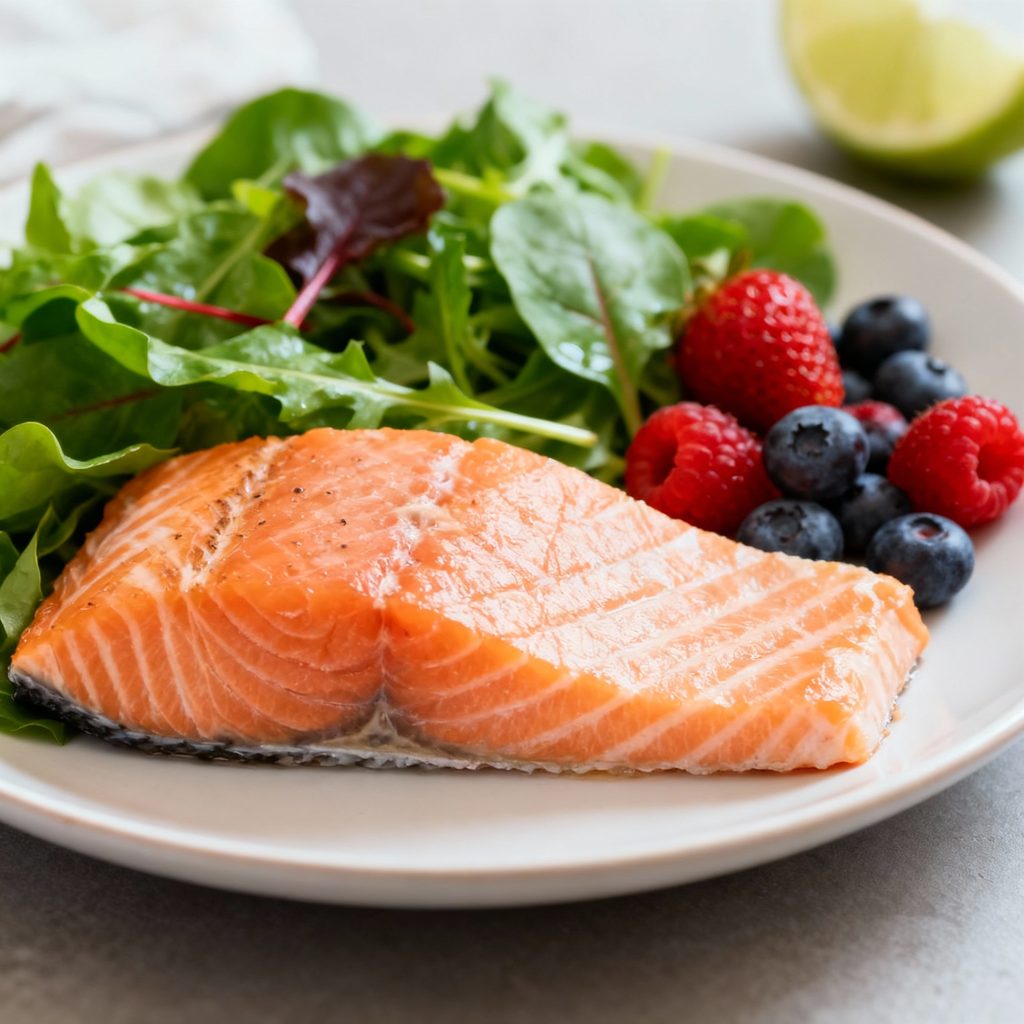
Then I spent a week at my sister’s house. She’s obsessive about meal prep—salmon, roasted vegetables, quinoa, berries. Within five days of eating actual food, my mood noticeably stabilized. Energy improved. Sleep deepened. Not placebo—biochemistry.
Foods That Reduce Inflammation and Support Mood
Anti-Inflammatory Mental Health Nutrition:
| Omega-3 Fatty Fish | Wild salmon, mackerel, sardines, herring | Reduces depression/anxiety symptoms; supports neurotransmitter function | 2-3 servings weekly | Decreases inflammatory cytokines; builds brain cell membranes; improves serotonin receptor sensitivity |
| Dark Leafy Greens | Spinach, kale, collards, Swiss chard, arugula | Folate supports serotonin production; magnesium reduces anxiety | Daily if possible | Folate required for neurotransmitter synthesis; magnesium regulates HPA axis stress response |
| Fermented Foods | Plain yogurt with live cultures, kefir, kimchi, sauerkraut, kombucha, miso | Populates gut microbiome; reduces depressive symptoms | 3-5 servings weekly | Beneficial bacteria produce neurotransmitters; reduce gut inflammation affecting mood |
| Berries | Blueberries, strawberries, blackberries, raspberries, acai | Combat oxidative stress; neuroprotection | Daily servings | Anthocyanins and antioxidants protect brain cells from inflammation damage |
| Nuts and Seeds | Walnuts, almonds, pumpkin seeds, chia, flaxseeds, hemp hearts | Comprehensive mood support—omega-3s, magnesium, zinc, B vitamins | Small handful (1-2 oz) daily | Multiple nutrients supporting stress regulation, inflammation reduction, neurotransmitter production |
| Dark Chocolate | 70%+ cacao | Immediate mood elevation; stress hormone reduction | 1-2 ounces several times weekly | Increases serotonin and endorphins; provides magnesium; flavonoids reduce cortisol |
| Whole Grains | Quinoa, brown rice, oats, barley, farro | Prevents mood crashes; sustained energy | Daily as carbohydrate sources | Slow glucose release prevents anxiety/irritability spikes; B vitamins support brain function |
| Quality Proteins | Chicken, turkey, wild-caught fish, tofu, tempeh, beans, lentils, Greek yogurt | Amino acid building blocks for neurotransmitters | Each meal | Provides tryptophan (serotonin precursor) and tyrosine (dopamine precursor) |
Multiple 2025 studies consistently demonstrate Mediterranean dietary patterns—abundant fish, vegetables, olive oil, nuts, legumes, whole grains—correlate with significantly better mental health outcomes. Conversely, Western diets heavy on processed foods, refined sugars, and trans fats correlate with increased depression and anxiety.
Military wellness programs now promote “eating the rainbow”—colorful produce provides diverse phytonutrients and antioxidants that counter oxidative stress from chronic inflammation. Berries deliver vitamin C and potent antioxidants. Bananas provide B6 and tryptophan supporting a positive mood.The approach isn’t complicated: real food. Healthy fats. Vegetables in abundance. Quality protein. Fermented foods for microbiome health.
Building Your Personal Disease-Prevention Strategy (Small Steps, Real Consistency)
Combining Digital Tools with Real-World Habits
I need to be completely transparent: downloading therapy apps and eating salmon twice weekly won’t magically cure chronic anxiety or reverse decades of cortisol-driven inflammation.
Anyone promising instant transformation is selling something or doesn’t understand biology.
But—critical caveat—combining evidence-based strategies creates genuine cumulative protective effects. Small consistent actions compound dramatically over months.
Realistic Progressive Action Plan:
Weeks 1-2: Foundation Building
- Download ONE therapy app (Noah AI for daily support OR BetterHelp for professional therapy)
- Complete daily check-ins minimum 5 minutes..
- Add omega-3 rich food—twice-weekly fatty fish OR daily walnuts/ground flaxseed.
- Document baseline mood and physical symptoms.
- Weeks 3-4: Expansion
- Increase app engagement to 10-15 minutes daily.Add one serving leafy greens daily.
- Begin detailed mood tracking with Bearable.
- Try 10-minute daily meditation or breathwork (Calm or Headspace)
- Identify one pattern between stress and physical symptoms
Weeks 5-8: Integration
- Maintain daily app usage as routine.
- Implement broader Mediterranean eating patternsAdd moderate movement 3-4 times weekly—walking counts.
- Review tracking data for stress-symptom correlations
- .Share patterns with healthcare providers.
Ongoing Maintenance:
- Continue therapy app for sustained support
- Maintain anti-inflammatory eating patterns
- .Regular physical activity.
- Discuss mental health at EVERY medical appointment
- Coordinate care between mental health and primary care providers.
- The tracking component matters enormously. Apps like Bearable correlate stress levels, sleep quality, dietary patterns, exercise, and physical symptoms. After four weeks, patterns emerge that remain invisible day-to-day. That data transforms vague doctor conversations into concrete evidence-based discussions.
When to Stop Self-Managing (Don’t Be Heroically Stupid)
Some situations demand professional intervention immediately.
Get professional help NOW if experiencing:
- Suicidal thoughts, self-harm urges, or detailed planning
- Severe depression preventing basic functioning—can’t work, can’t maintain hygiene, can’t leave bed
- Panic attacks escalating in frequency or intensity despite interventions
- Chronic disease control worsening despite treatment adherence
- Substance use accelerating as coping mechanism
- Dissociative episodes or psychotic symptoms (hallucinations, delusions, paranoia)
- Trauma flashbacks interfering with daily life
Apps have hard limitations. They cannot diagnose psychiatric conditions. Cannot prescribe medications. Crisis situations—active suicidal ideation, severe psychosis, psychiatric emergencies—require immediate human professional intervention. Complex trauma frequently needs specialized therapeutic relationships AI cannot replicate.
The most effective approach combines digital tools with human professional care when warranted. Apps like Noah AI include therapy summary exports specifically designed for seamless integration with traditional therapy.
Marcus? After his ER visit, I helped him find both a therapist and got his PCP involved. Started an SSRI. Uses Youper for daily mood tracking. Completely changed his diet. Three months later his blood pressure normalized, inflammation markers dropped significantly, and he’s sleeping six hours nightly—not great, but massively better.Trying to tough it out alone isn’t strength. It’s stubbornness that destroys lives.
Frequently Asked Questions
Q: Can psychological stress and anxiety literally cause physical diseases, or are people just drawing connections that aren’t really there?
Both correlation and causation exist. Chronic psychological stress triggers specific biological mechanisms—cortisol dysregulation, glucocorticoid receptor resistance, uncontrolled inflammatory responses—that directly cause disease development. Dr. Sheldon Cohen’s landmark research at Carnegie Mellon prospectively demonstrated that chronic stress causes receptor resistance, which triggers excessive inflammatory cytokine production, which then increases disease risk through measurable pathways. Studies show people with abnormal cortisol patterns (flattened slopes, chronically elevated levels) have dramatically elevated inflammatory biomarkers including IL-6, CRP, TNF-α, and fibrinogen. These inflammatory molecules physically damage cardiovascular tissues, disrupt insulin signaling, impair immune surveillance of cancer cells, and attack joint/organ tissues. One study found cortisol increased approximately nine times during stressful periods compared to relaxed periods. So yes—anxiety causes measurable biological changes that cause disease.
Q: Are mental health apps actually effective, or just profitable wellness trends that don’t really work?
Clinical evidence is compelling. A 2025 systematic review analyzing 38 randomized controlled trials evaluating 35 mental health apps found 32 out of 35 showed statistically significant improvements in depression, anxiety, and suicidal behavior—over 90% effectiveness rate. Meta-analyses demonstrated 63% reduction in loneliness, 40% improvement in depression symptoms, and significant stress reduction across diverse populations. Most impressively, a trial in NEJM AI this year showed properly designed AI therapy produced equivalent outcomes to human-delivered care for certain conditions. They work best for mild-to-moderate anxiety and depression, function excellently as supplements to professional care, and provide critical access for people unable to afford or reach traditional therapy. Limitations exist—cannot diagnose, cannot prescribe, inappropriate for crises or complex trauma—but dismissing them as wellness theater ignores substantial evidence
Q: How quickly can dietary changes impact mental health?
It may take years to reap the rewards.
Sooner than most expect. Others indicate improved mood as soon as 2-4 weeks of consistent dietary changes, but significant effects tend to become apparent after 2-3 months. Gut microbiome maturation proceeds relatively quickly to boosted fiber, probiotics, and anti-inflammatory agents—perhaps supporting neurotransmitter production in weeks. Relief from depression symptoms in omega-3 supplements has been noted in 4-8 weeks in certain trials.I personally noticed significant mood stabilization within about three weeks of consistently eating fatty fish, leafy greens, fermented foods while eliminating processed garbage. Don’t expect overnight miracles, but don’t underestimate how rapidly nutrition impacts brain chemistryQ: If I already have chronic disease diagnosed, is it too late for mental health interventions to help anything?
Not at all—never too late. Research conclusively demonstrates inclusion of mental health management as a component of treating chronic disease enhances recovery outcomes, decreases complications, and improves quality of life. Trials establish improved disease control when depression and anxiety are managed as a coherent part of physical disease treatment—improved adherence to medicines, enhanced self-care activity, better outcomes. A 2025 review established treating comorbid depression and chronic disease together lowered appreciably the risk of cognitive impairment compared to treating the physical disease alone—the impact was multiplicative, not additive. The bidirectional relationship means improving mental health can directly improve physical disease management and outcomes. Start where you are. It helps regardless of disease stage.
Q: What’s the single most impactful action I can take right now if I feel completely overwhelmed?
Start tracking. Seriously. Download Bearable, Finch, or Youper today and begin logging mood, stress levels, sleep quality, dietary patterns, physical symptoms daily. It takes maybe 90 seconds. After three to four weeks you’ll see correlations between psychological stress and physical symptoms you never connected with before. That data transforms doctor visits from vague complaints into evidence-based conversations. Plus most tracking apps include basic CBT tools and mood-boosting features built in. It’s immediately actionable, costs little or nothing, creates awareness driving better decisions, and builds foundation for additional interventions. One small consistent step beats overwhelmed paralysis every time.
Conclusion
Marcus is doing genuinely better now. His job still sucks—they still haven’t backfilled those positions. His mom’s dementia continues progressing. His marriage still needs work. Life hasn’t magically become stress-free.
But his most recent bloodwork shocked his doctor. A1C normalized. CRP levels dropped to healthy range. Blood pressure consistently 125/78. His doctor actually said “I’ve rarely seen this kind of turnaround without medication changes”.
Marcus didn’t do anything exotic. He just started treating his mental health with the same seriousness he’d always given his physical health. I found a therapist. Uses apps for daily support between sessions. Completely overhauled his diet. Tracks patterns religiously. Got his PCP and therapist coordinating care.
That’s it. No miracles. Just consistent evidence-based action
Mental and physical health aren’t separate systems treatable independently. They’re integrated into every biological process in your body. Inflammatory pathways triggered by chronic stress and untreated anxiety are literally identical pathways driving heart disease, diabetes, autoimmune disorders, neurodegenerative diseases, and cancers.
October’s mental health awareness matters because protecting psychological wellbeing literally shields against 2025’s top disease killers. And genuinely good news? Effective interventions exist and are more accessible than ever through apps, nutrition science, and integrated care models.
You don’t need perfection. Start somewhere small. One therapy app. Omega-3s twice weekly. Ten-minute breathing exercises. Track your patterns. Talk to your doctor about both mental and physical symptoms together.
These aren’t minor lifestyle tweaks. They’re disease prevention strategies with measurable biological mechanisms.pmc.ncbi.
Your mind and body aren’t separate entities. Take care of one, you’re protecting both.
It’s simultaneously that simple and that critical.